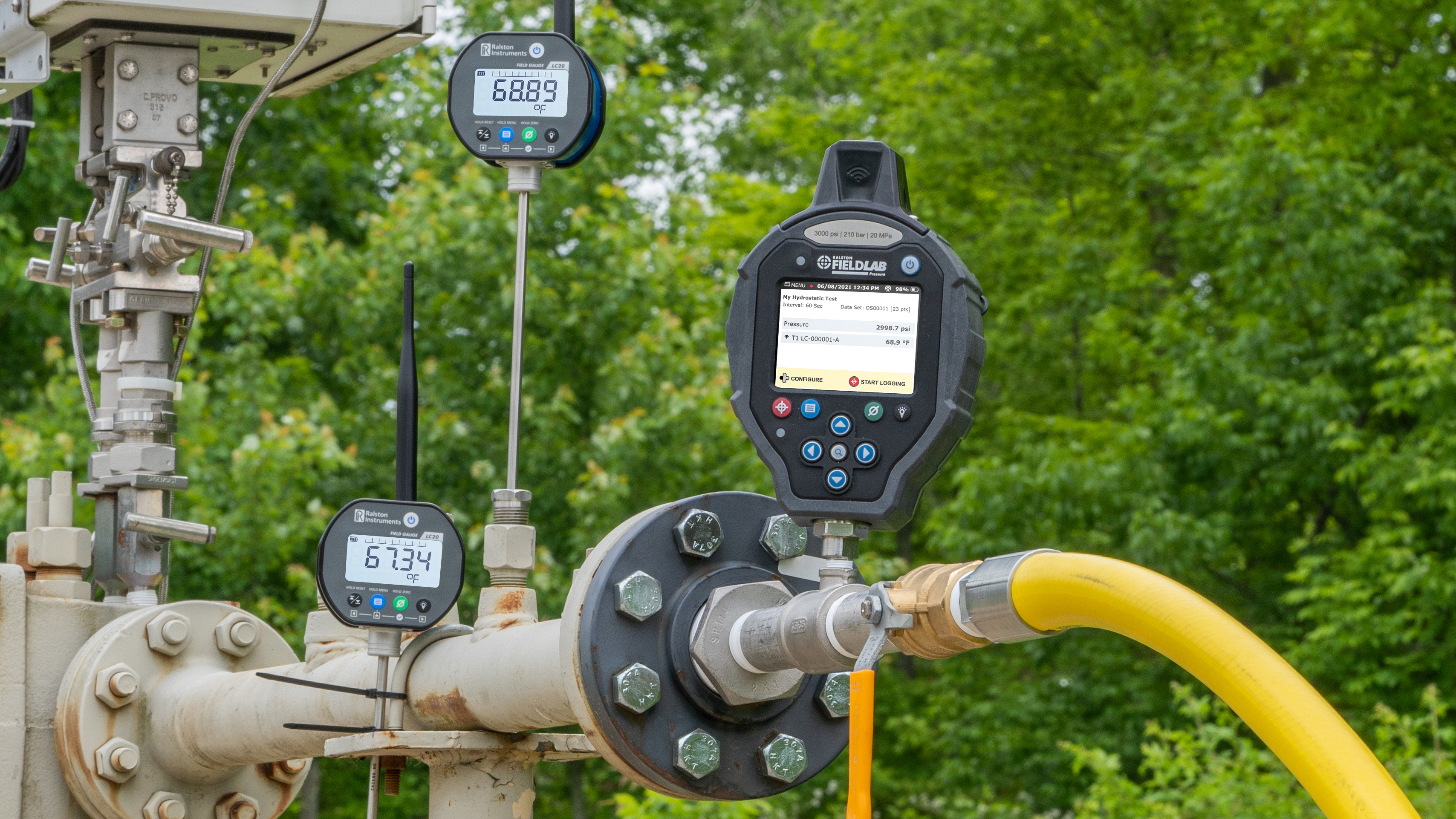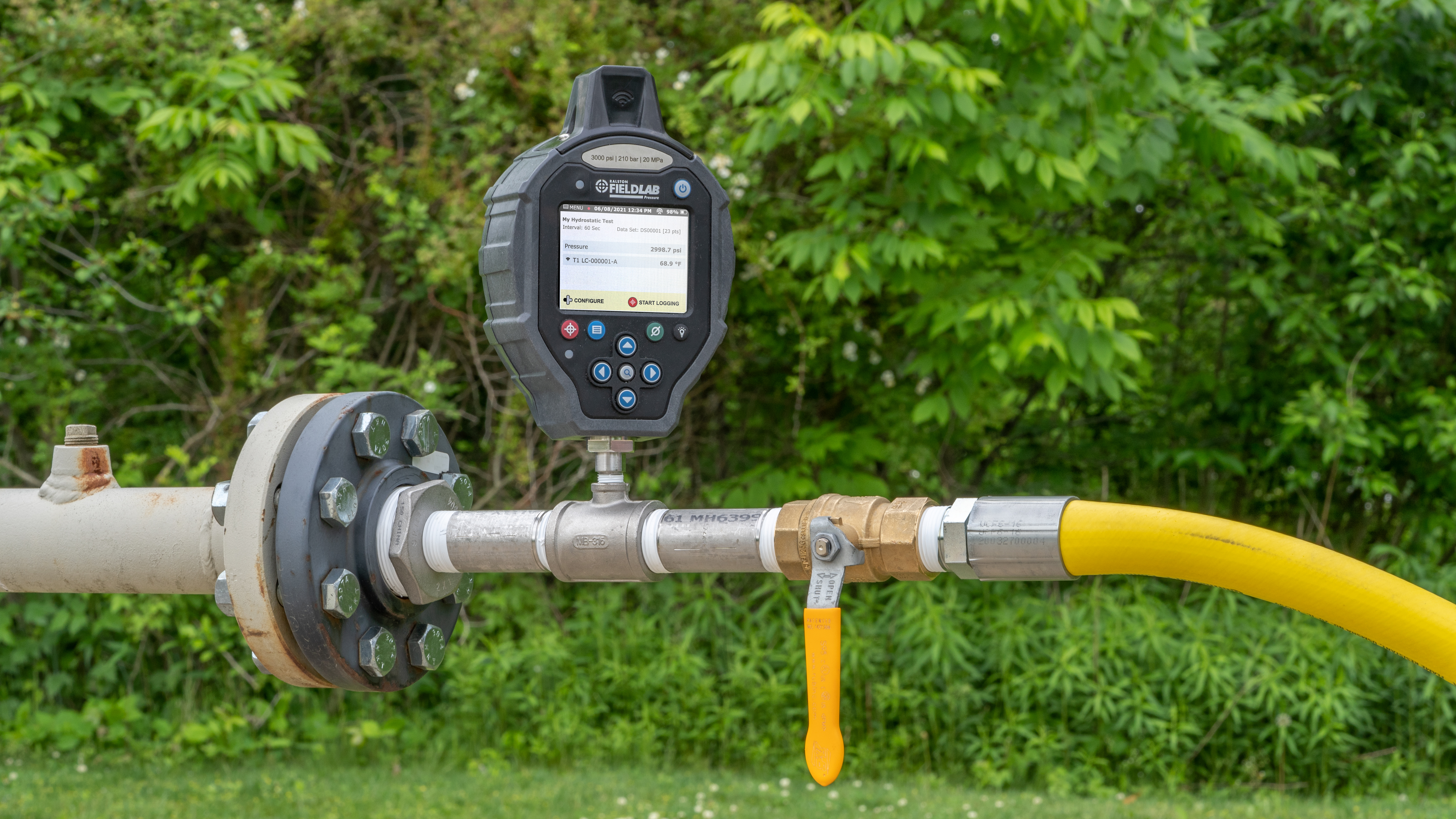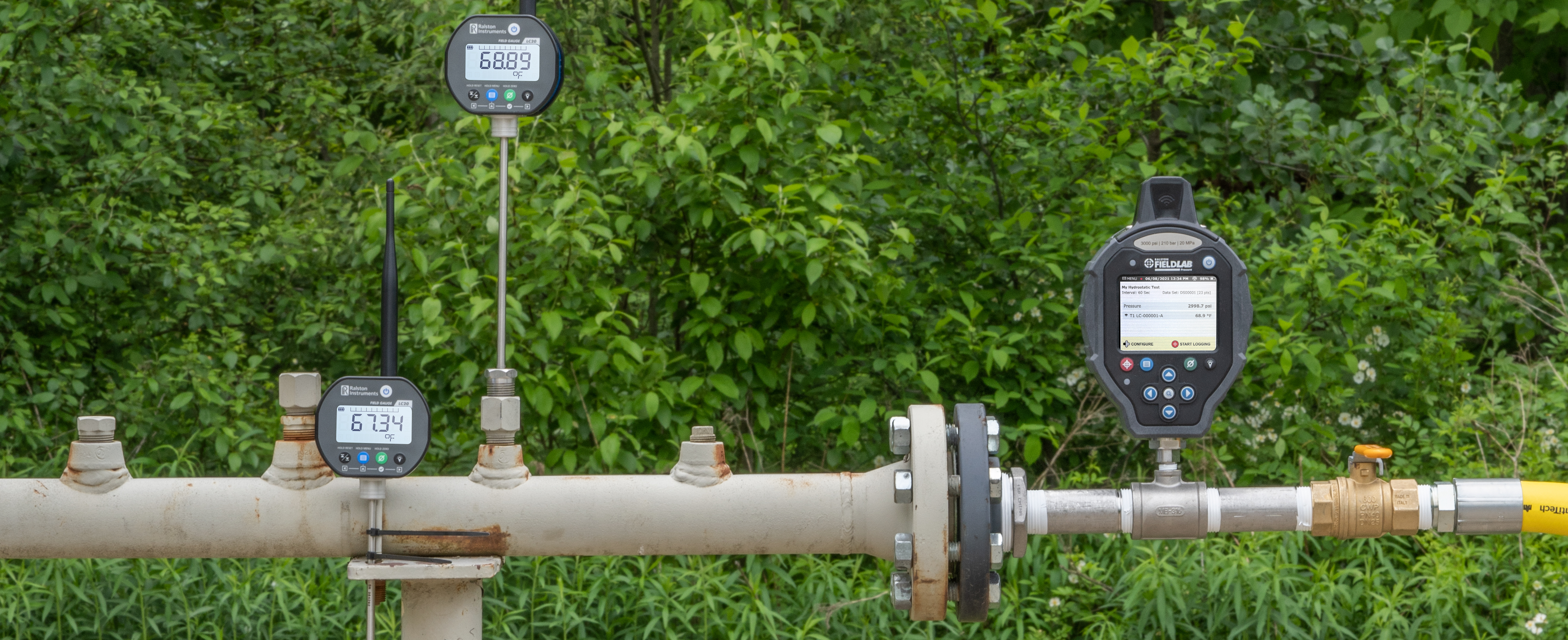
Hydrostatic testing is the primary method used to test for leaks and assess the structural integrity of meter skids, compressed gas cylinders, boilers, tubing, pipelines and other pressurized vessels. It’s performed by filling the system with water, pressurizing it up to a level greater than Maximum Allowable Working Pressure (MAWP), and monitoring for visible and/or measurable leaks during a specified amount of time.
The Importance of Hydrostatic Testing
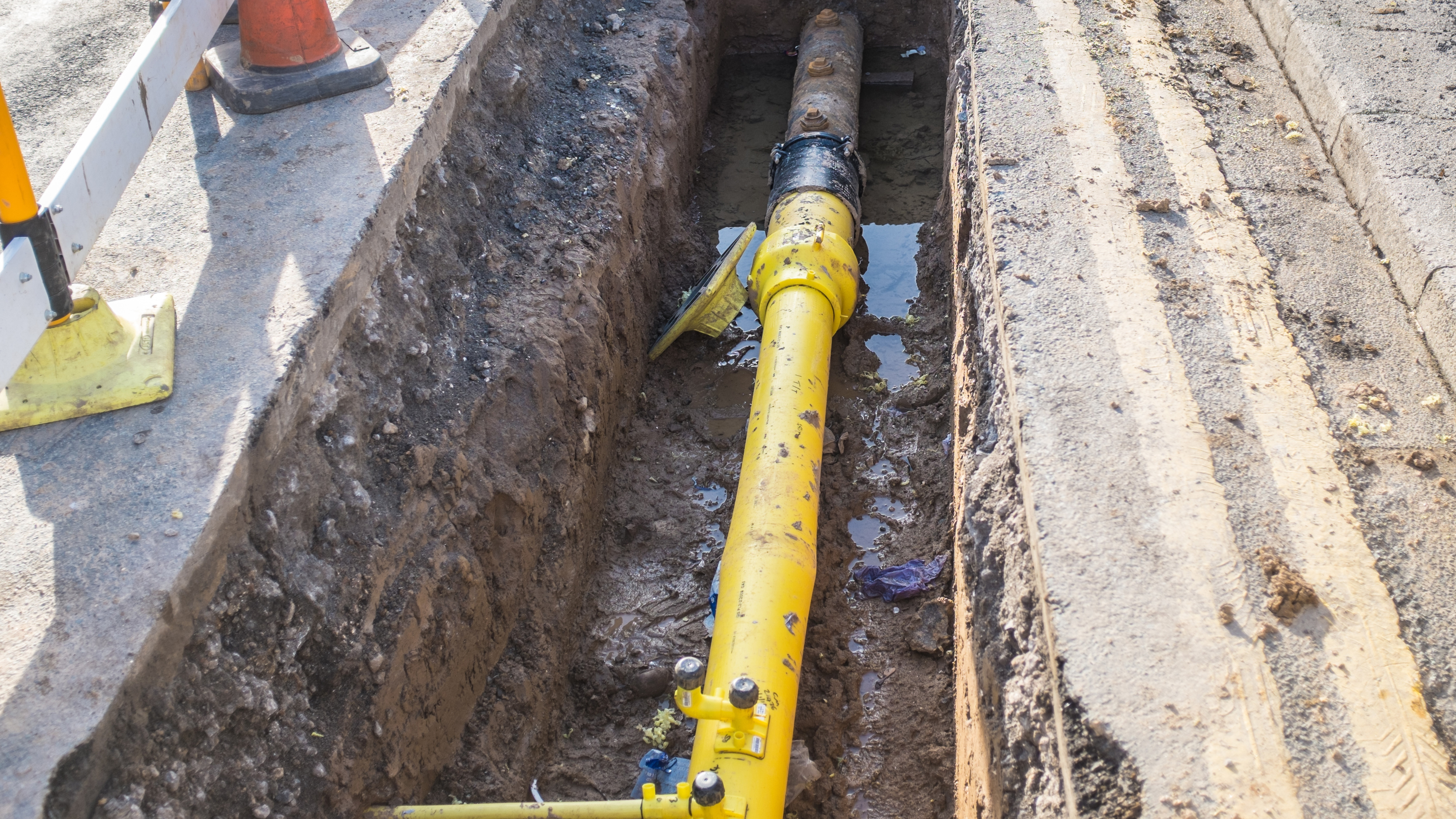
By measuring the rate of expansion of the unit, hydrostatic testing can determine whether a vessel can safely hold the amount of pressure it’s rated for. It ensures that the weld joints and flanges are fitted properly, and confirms that the material used has the required strength to sustain the pressure. This is especially important in industrial applications involving the storage and transportation of fuel, chemicals, and other hazardous materials that can explode if they fail under pressure, and in pipelines, where a weakness in the structural integrity of a pipe could dramatically impact both the environment and our economy.